General renovation of the municipal office of the Evangelische Kirchengemeinde Samariter-Auferstehung in Berlin Friedrichshain.
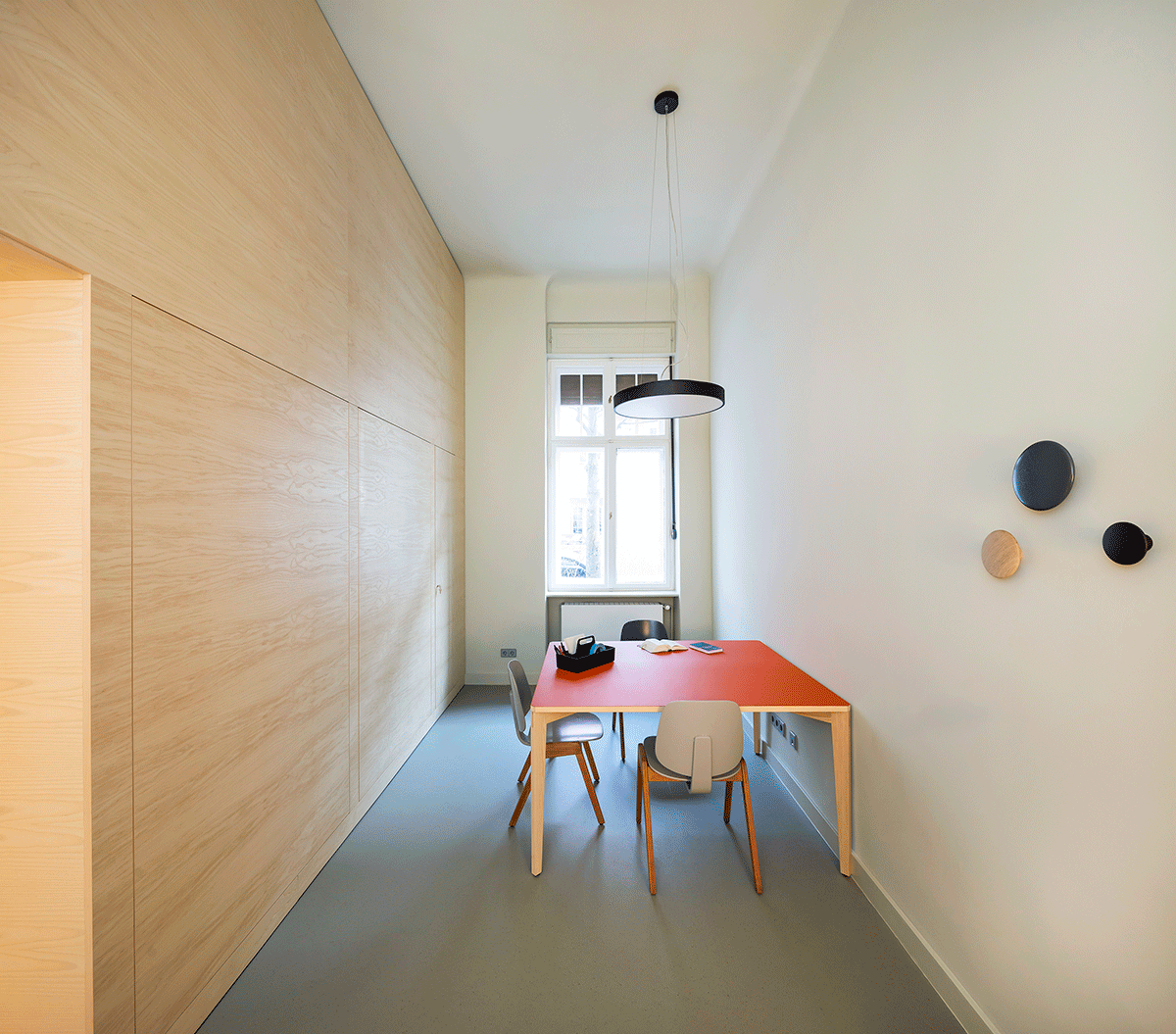
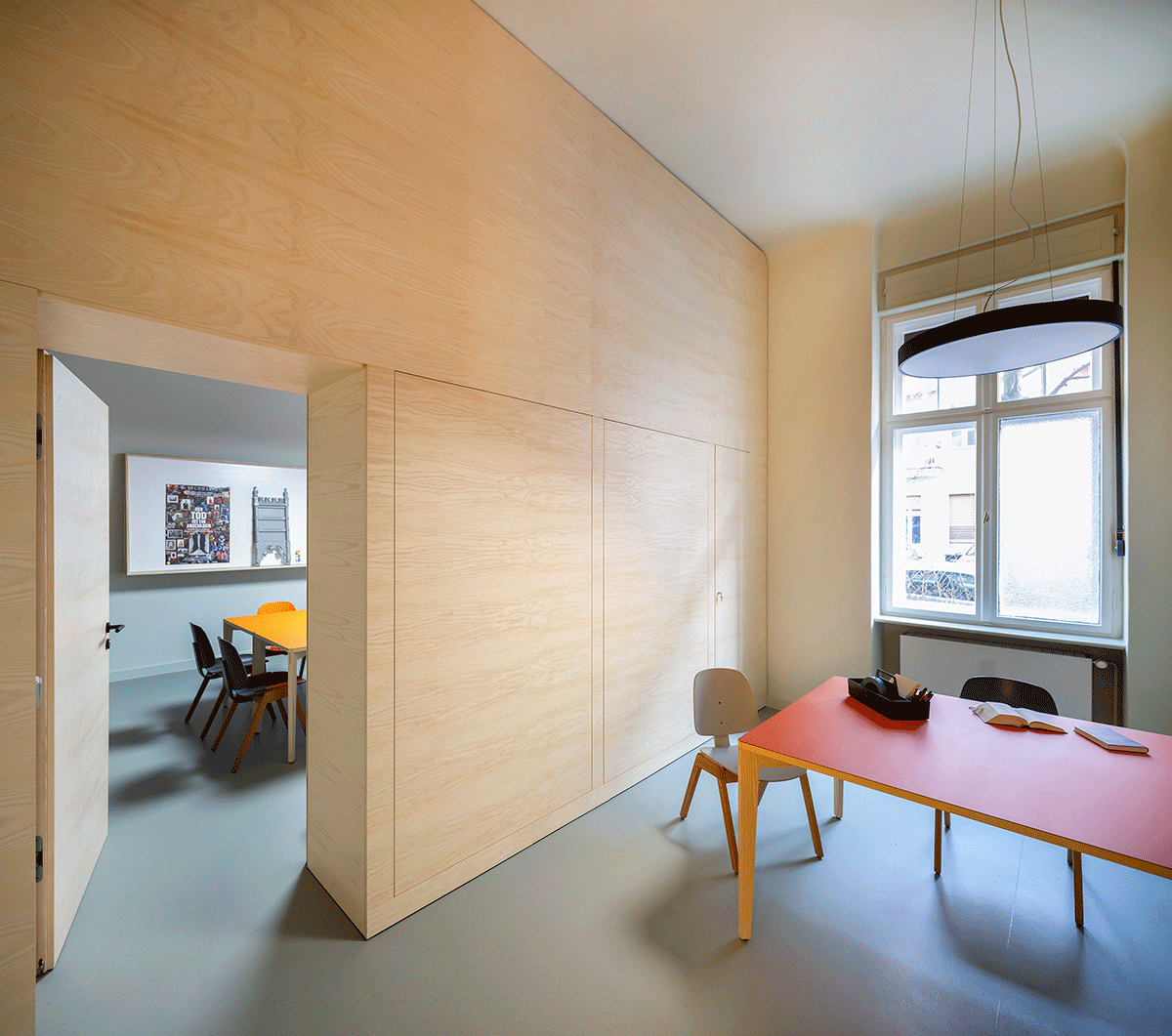
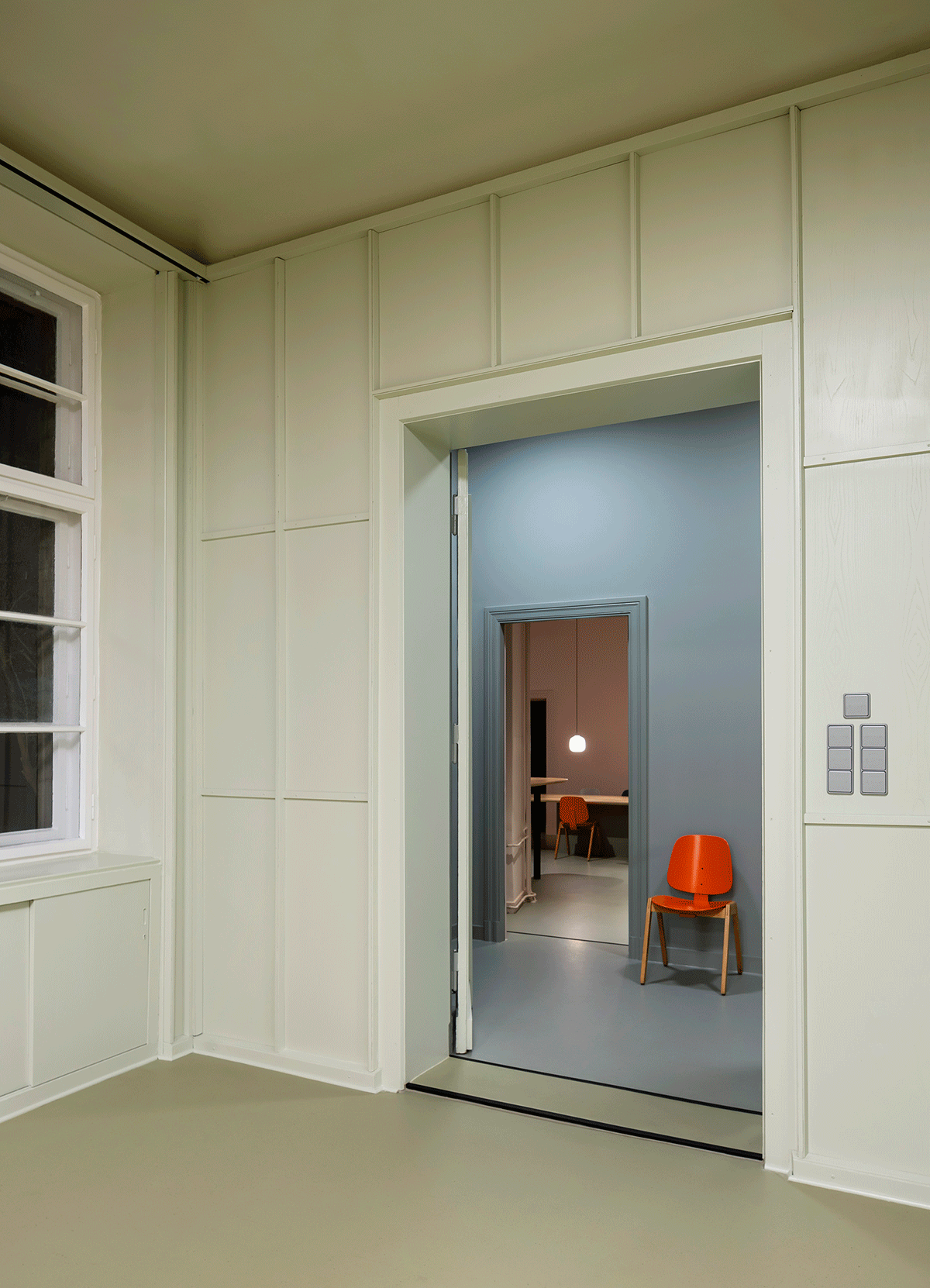
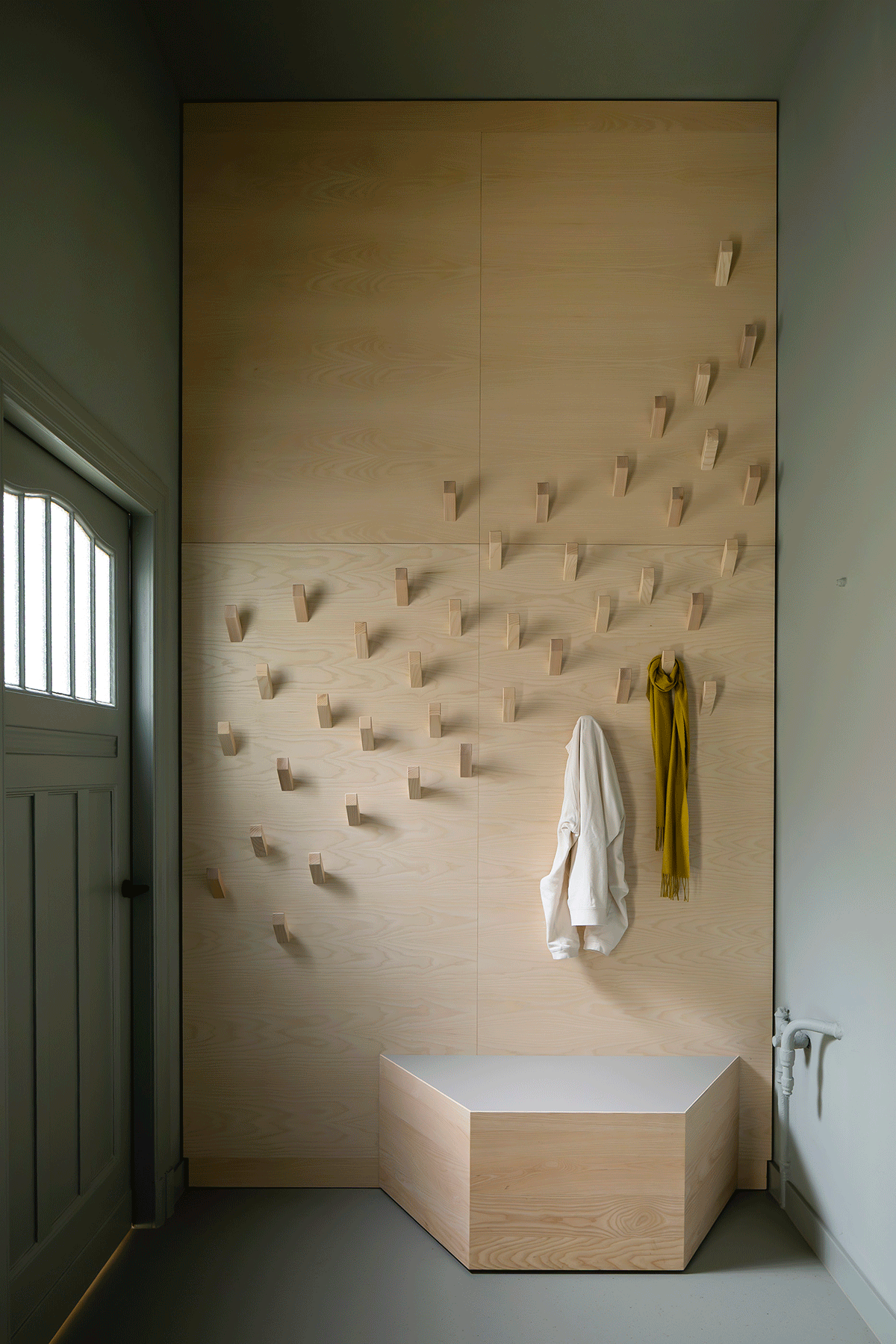
We were responsible for the concept, planning, production and construction management throughout the entire construction process. The work includes a new floor plan, new flooring, new electrical wiring, a new heating system, new plumbing, and completely new interior design and furniture with a different use of space.
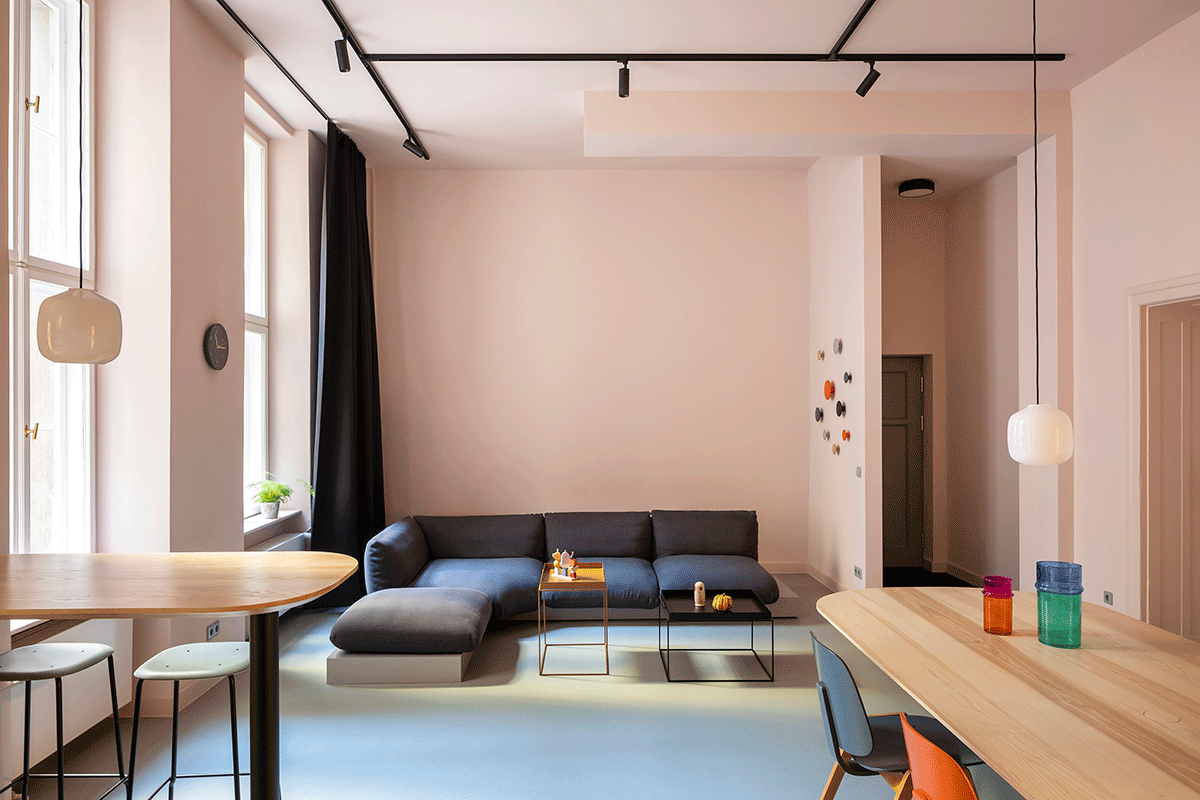
On a total area of nearly 400 square meters, there are 5 office spaces, a kitchenette with a coffee station, a multi-purpose community room, a large community hall, a kitchen and dining area and several restrooms.
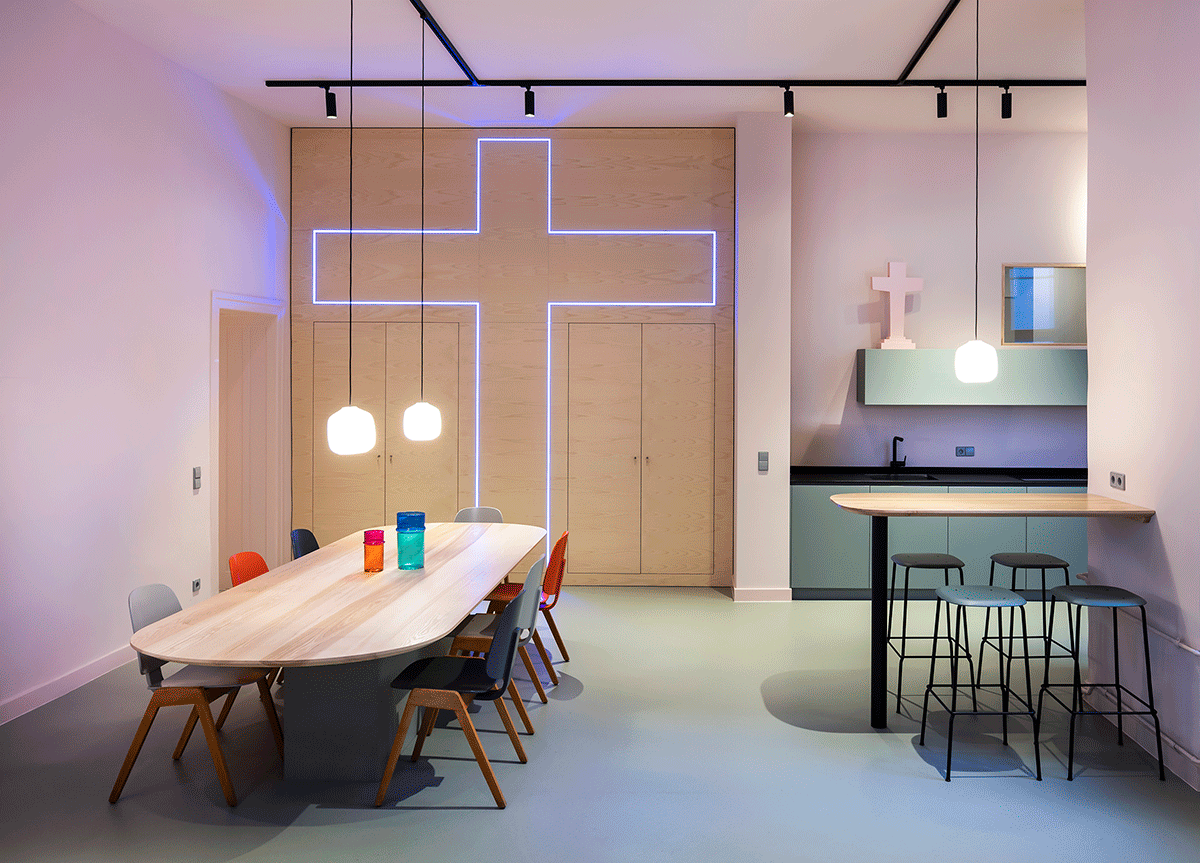
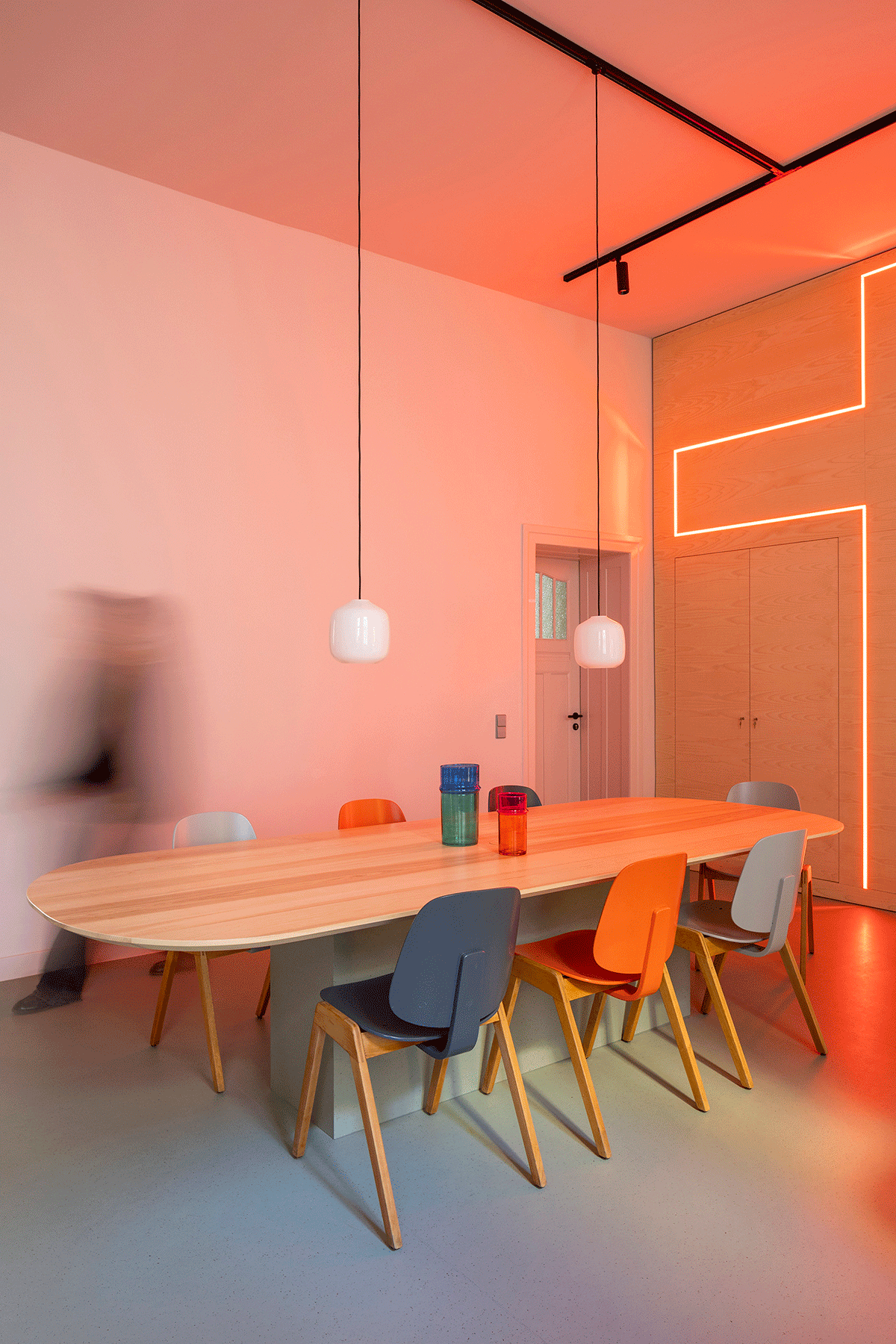
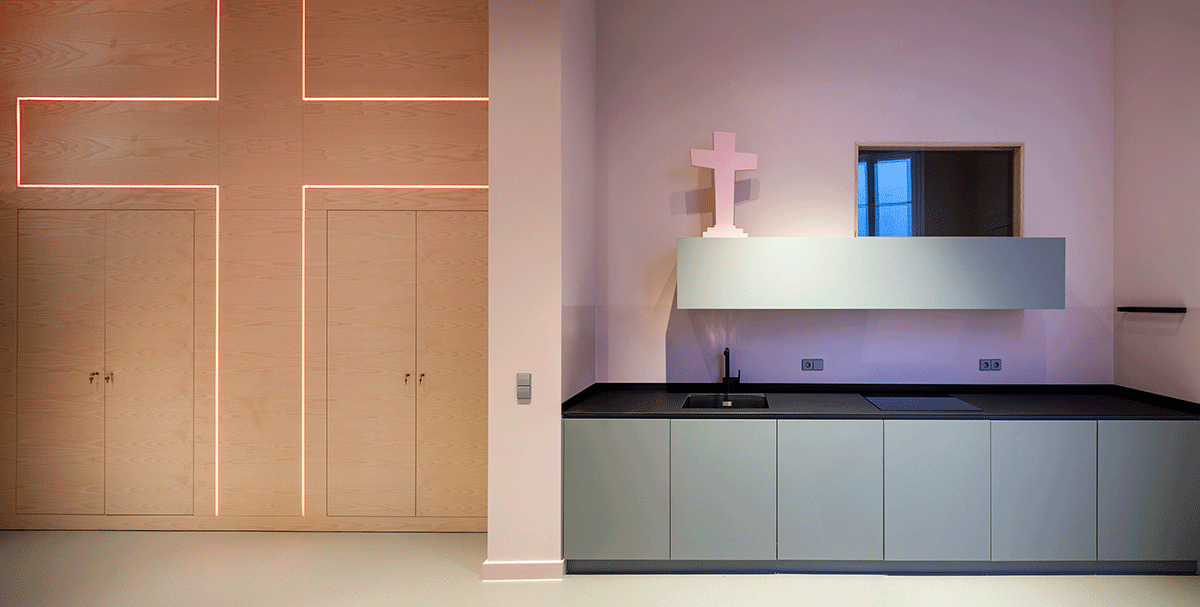
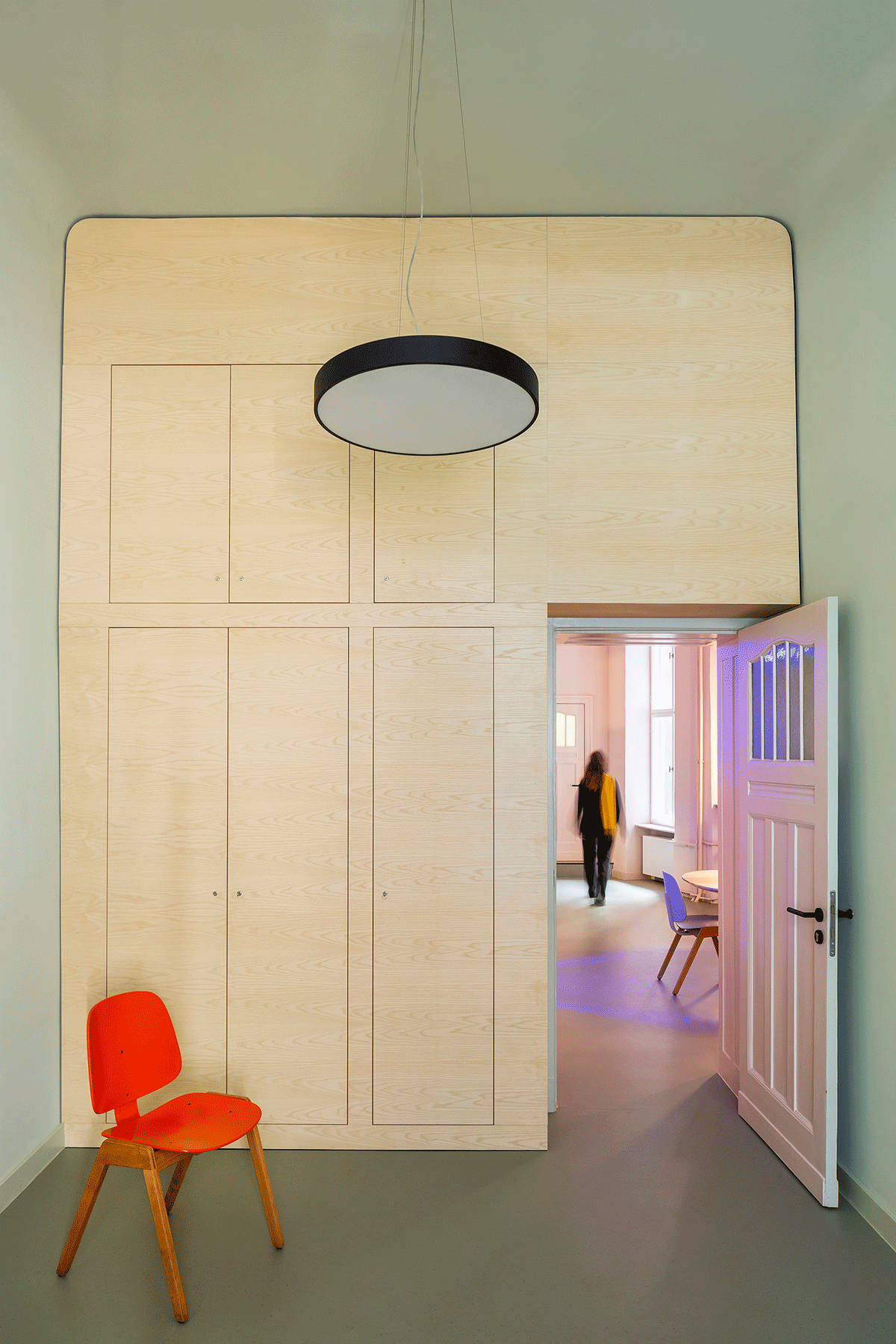
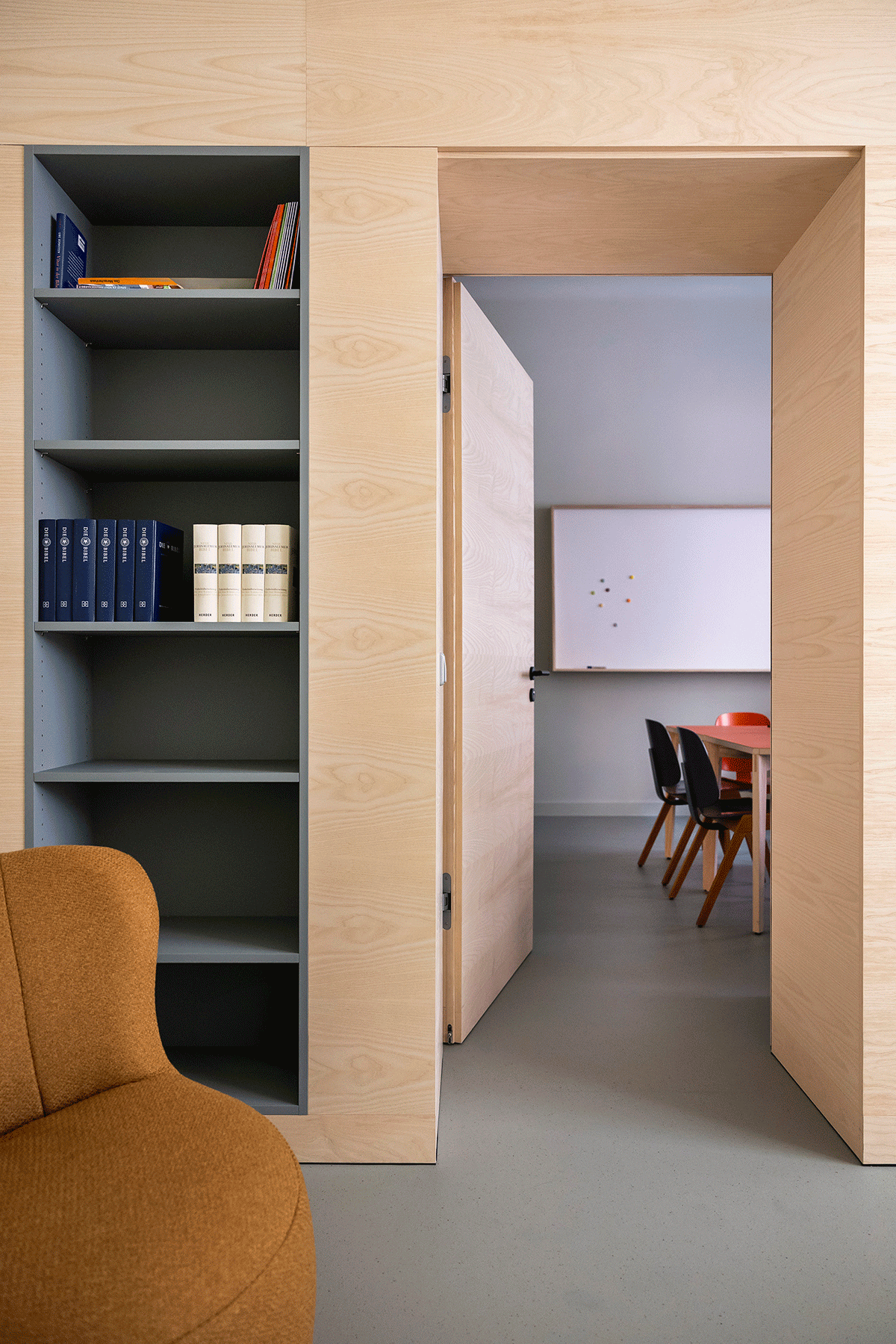
The project is structured around a sequence of flexible communal spaces, unified by a restrained material palette and carefully integrated symbolic elements. A central architectural feature is the large illuminated cross, recessed into a full-height wooden wall and precisely aligned with concealed storage doors. Embedded within the timber paneling, the cross becomes part of the architecture itself rather than an applied object, its soft glow providing both orientation and atmosphere.
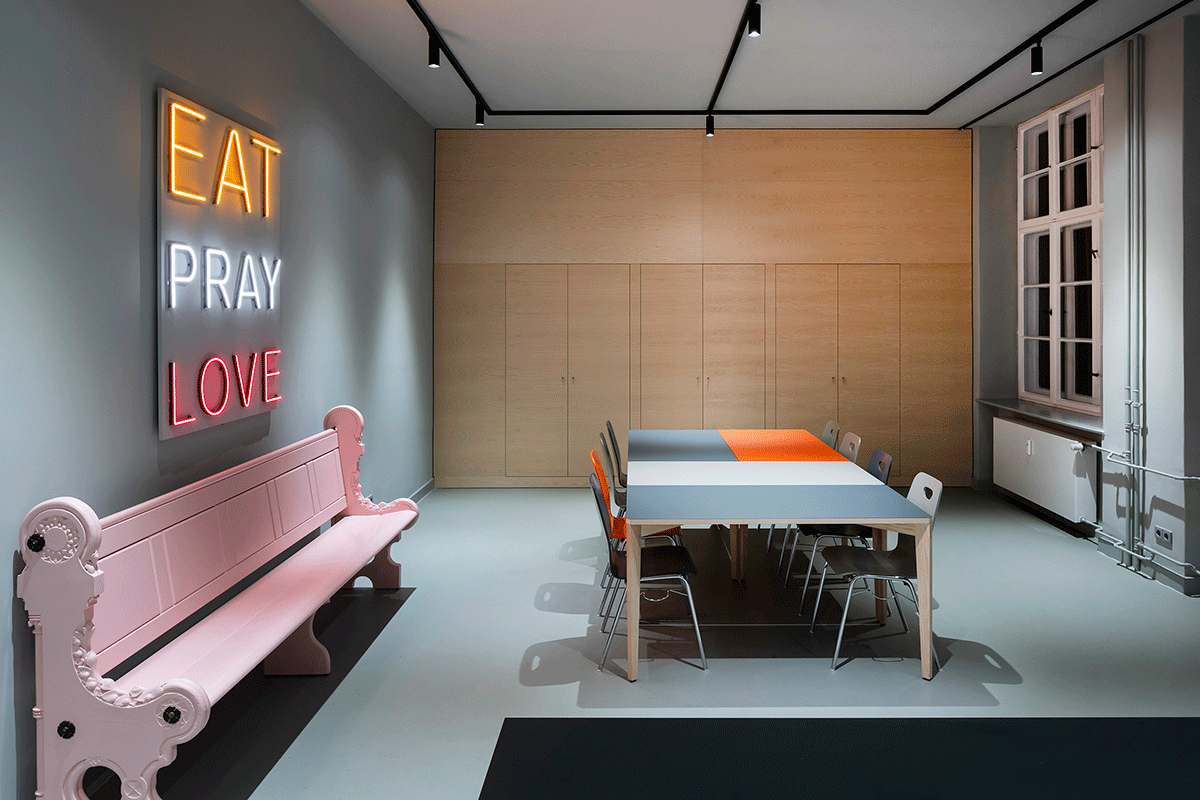
At the heart of the community room, a long wooden table establishes a place of gathering and exchange. Its generous scale encourages collective work, discussion, and shared meals. Surrounding it, refurbished Thonet chairs—retrieved from the church cellar and repainted in bright, contemporary colours—introduce a sense of continuity, allowing traces of the building’s history to coexist with new interventions.
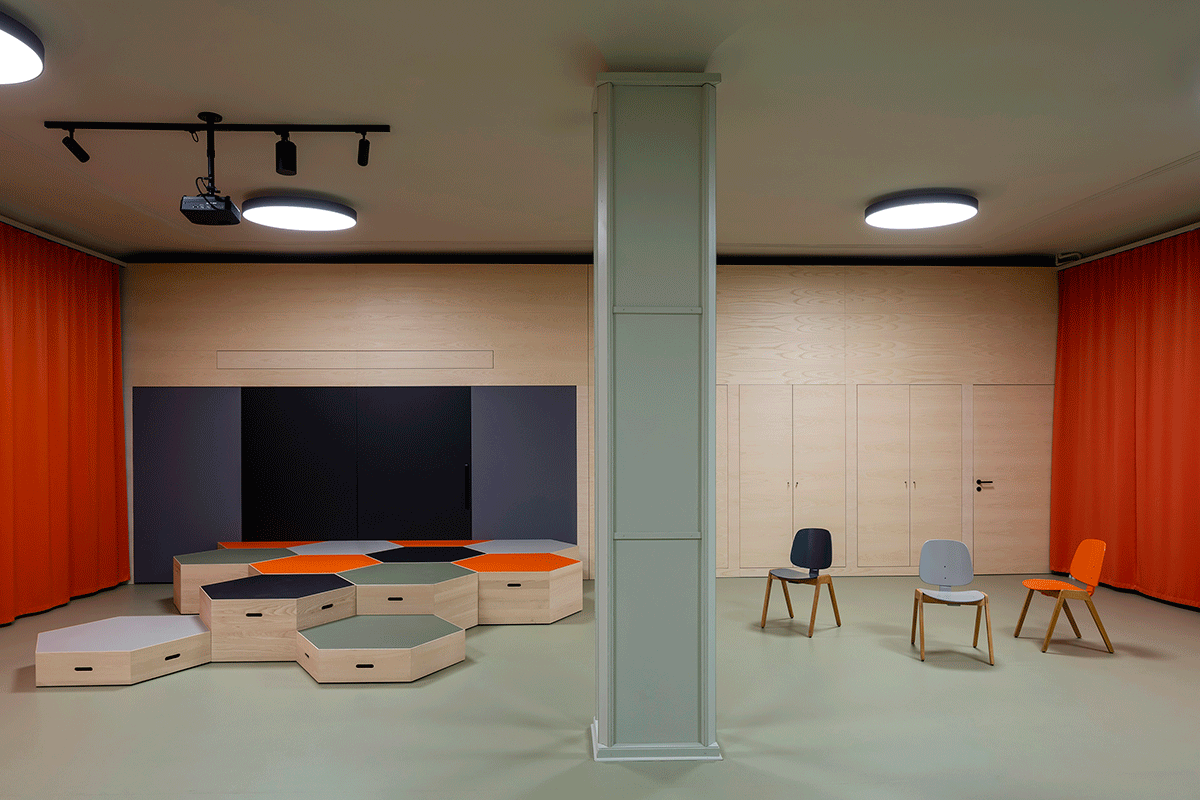
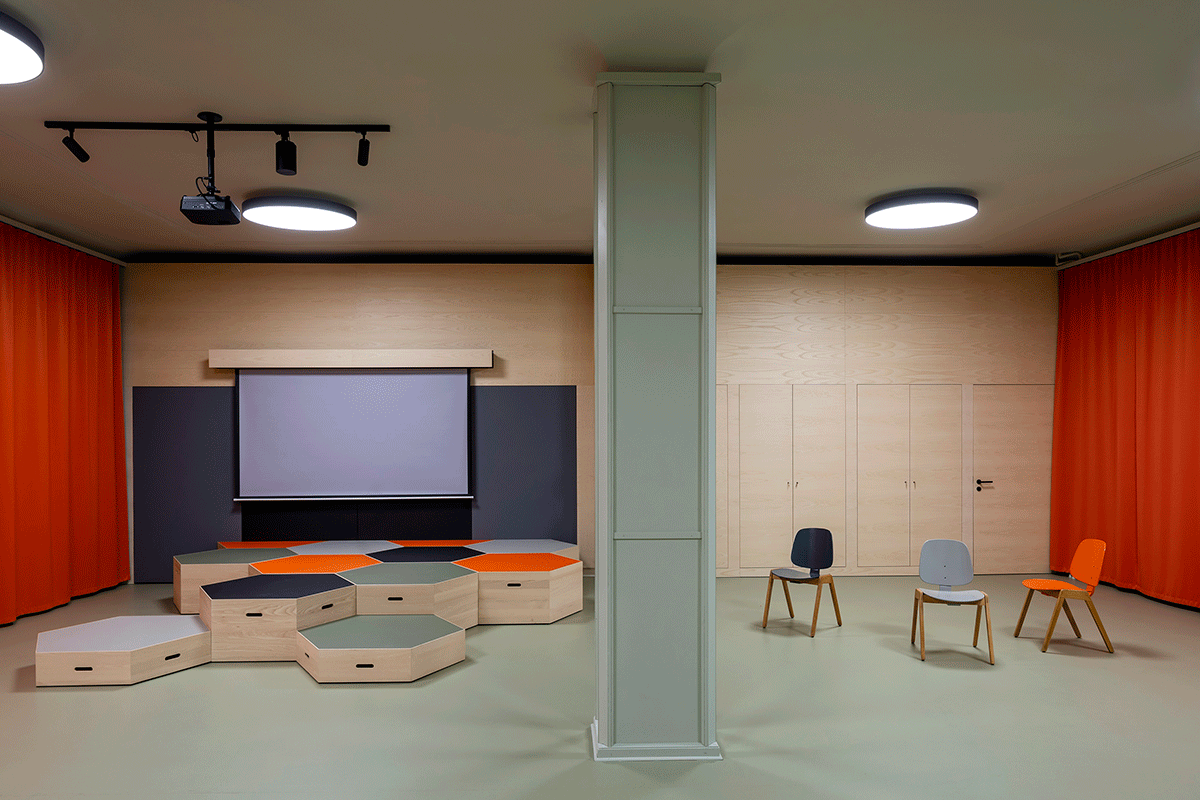
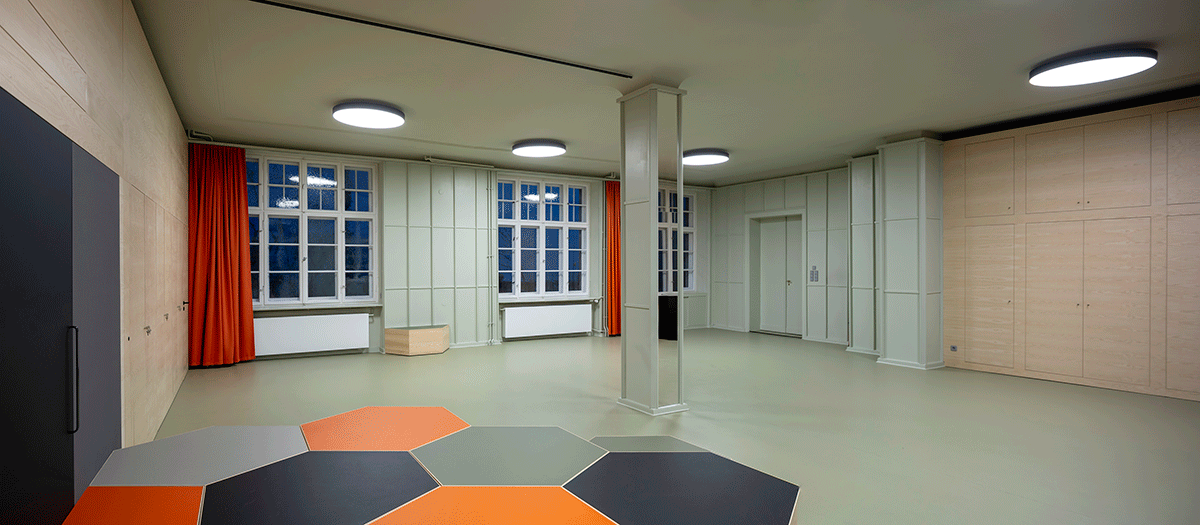
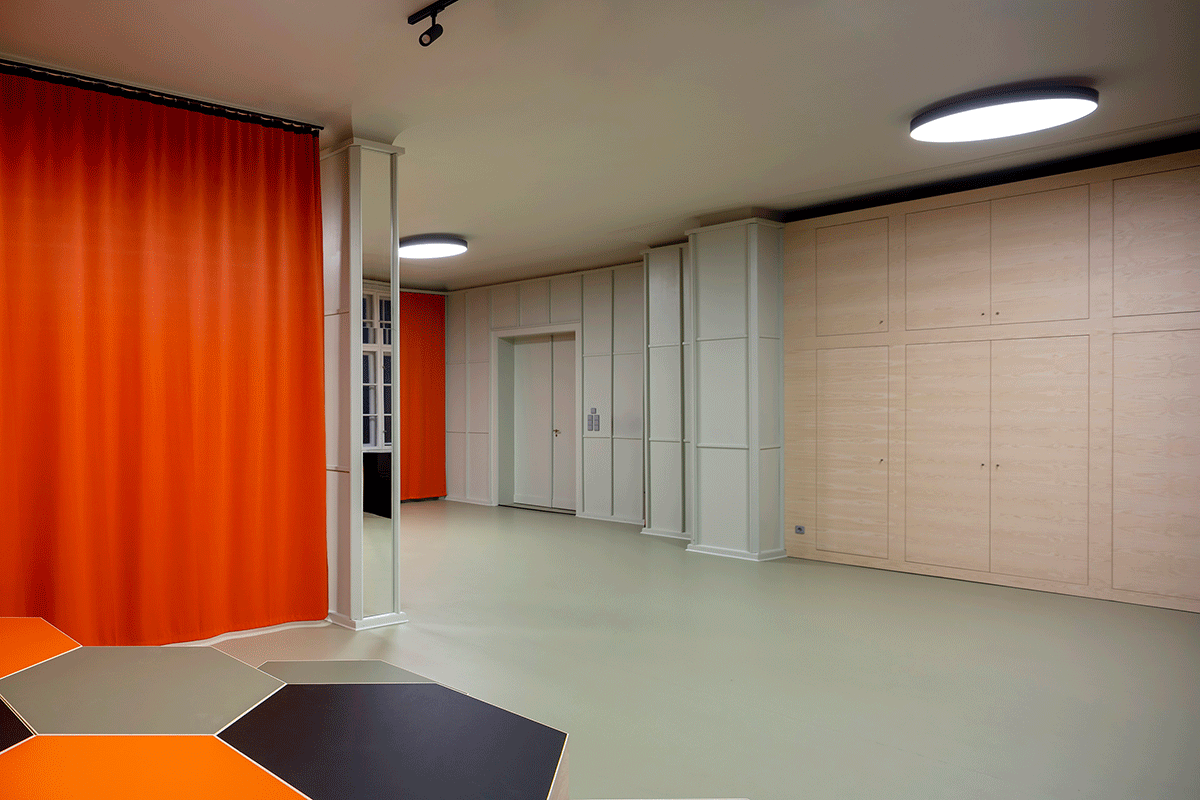
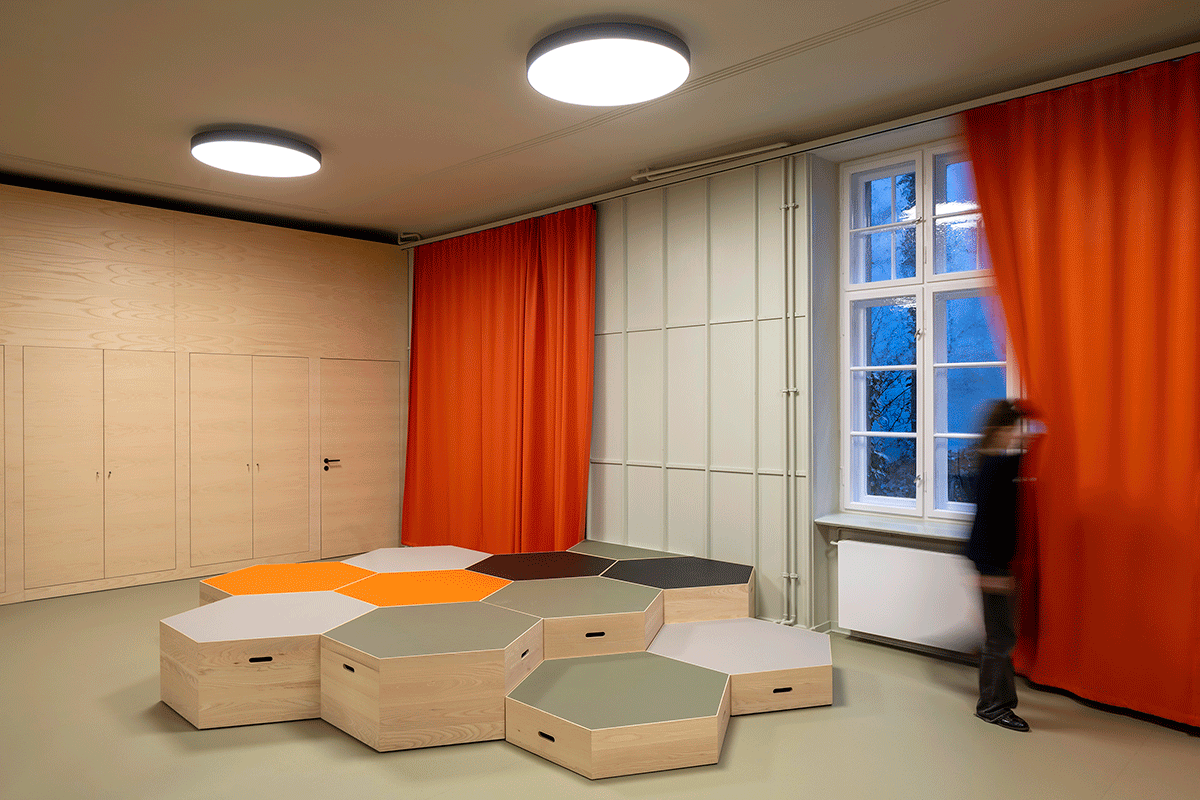
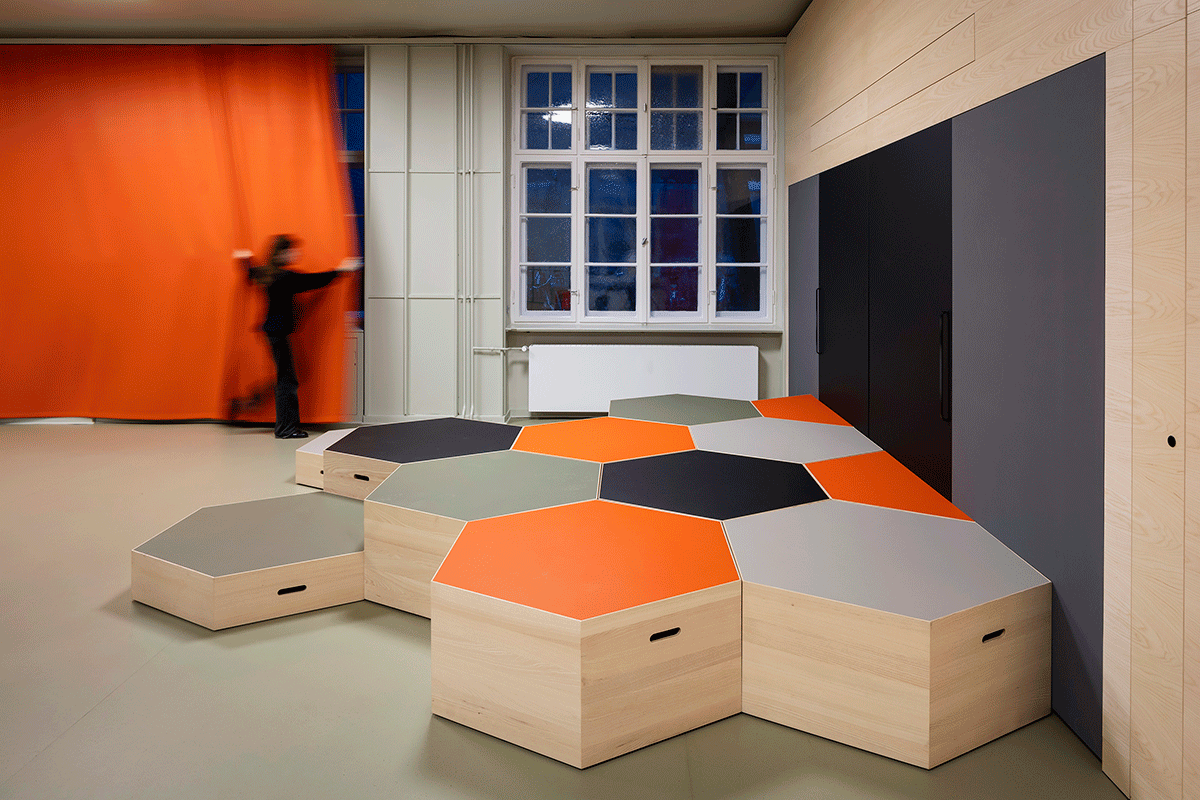
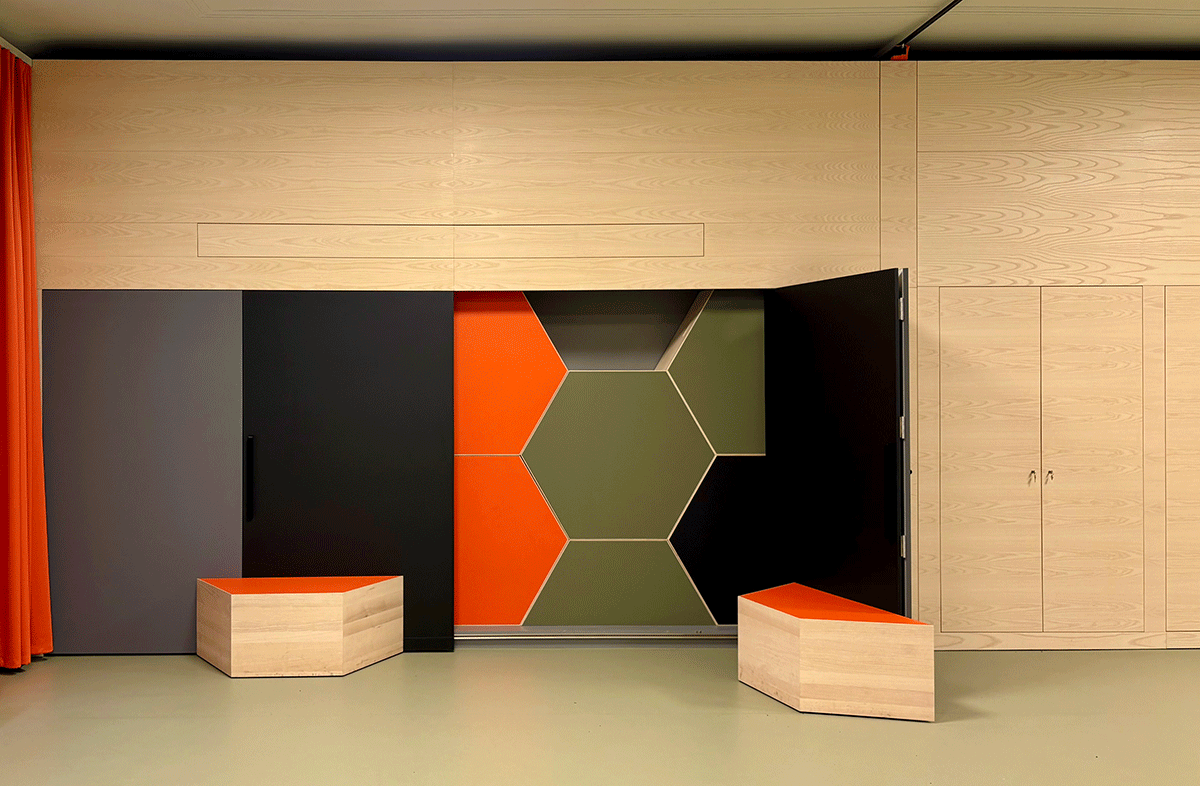
An adjacent multi-purpose space expands the programmatic flexibility of the interior. Here, coloured modular hexagonal platforms form a reconfigurable landscape that can function as a stage, seating, or informal gathering area. Their geometric clarity contrasts with the softness of surrounding elements, while integrated storage maintains order when the room is reprogrammed. Heavy curtains in a warm orange tone allow the space to be visually and acoustically subdivided, supporting performances, workshops, or more intimate assemblies. The centrally positioned structural column is equipped with mirrors on two sides and is deliberately absorbed into the spatial composition, reinforcing the room’s symmetry rather than disrupting it.
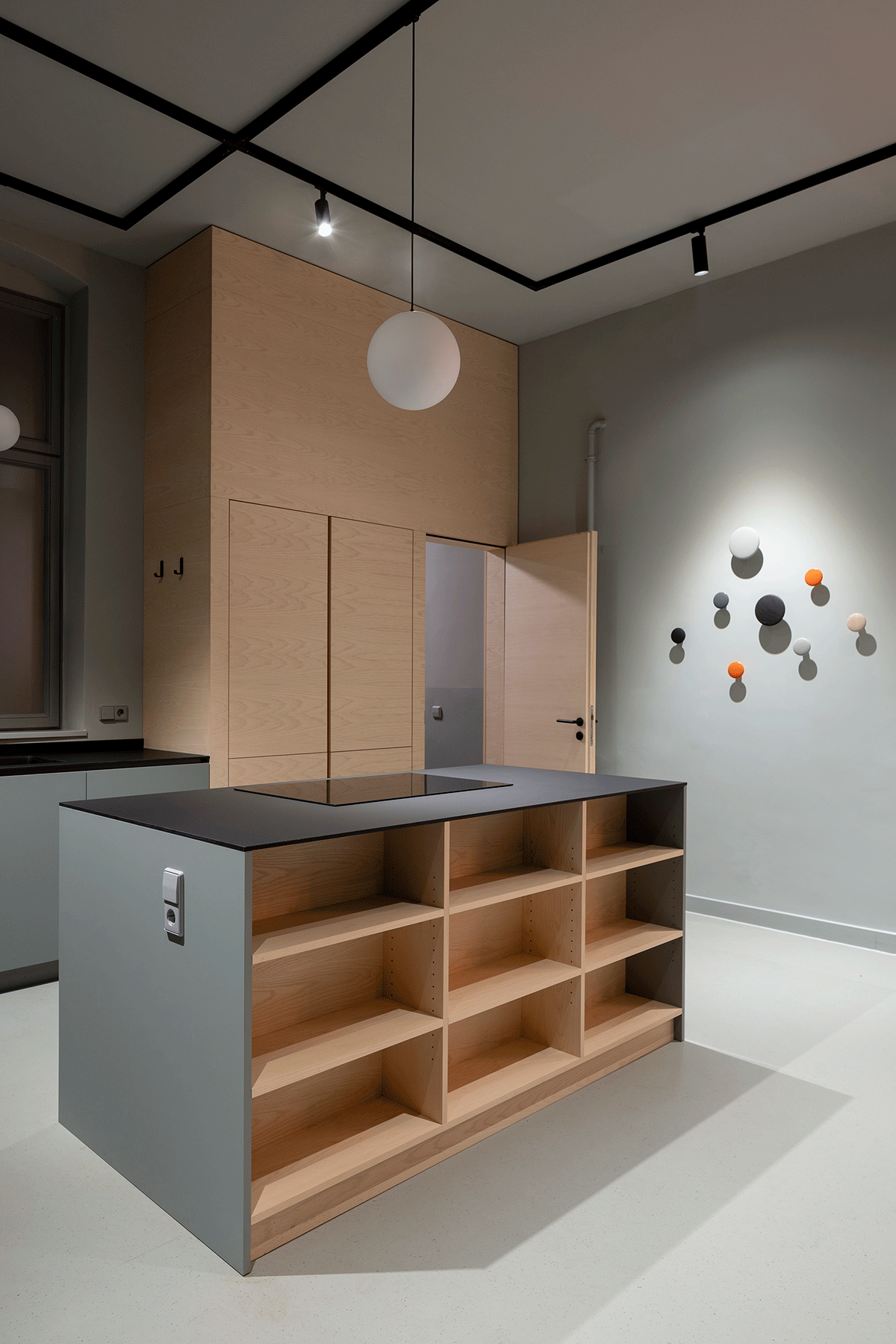
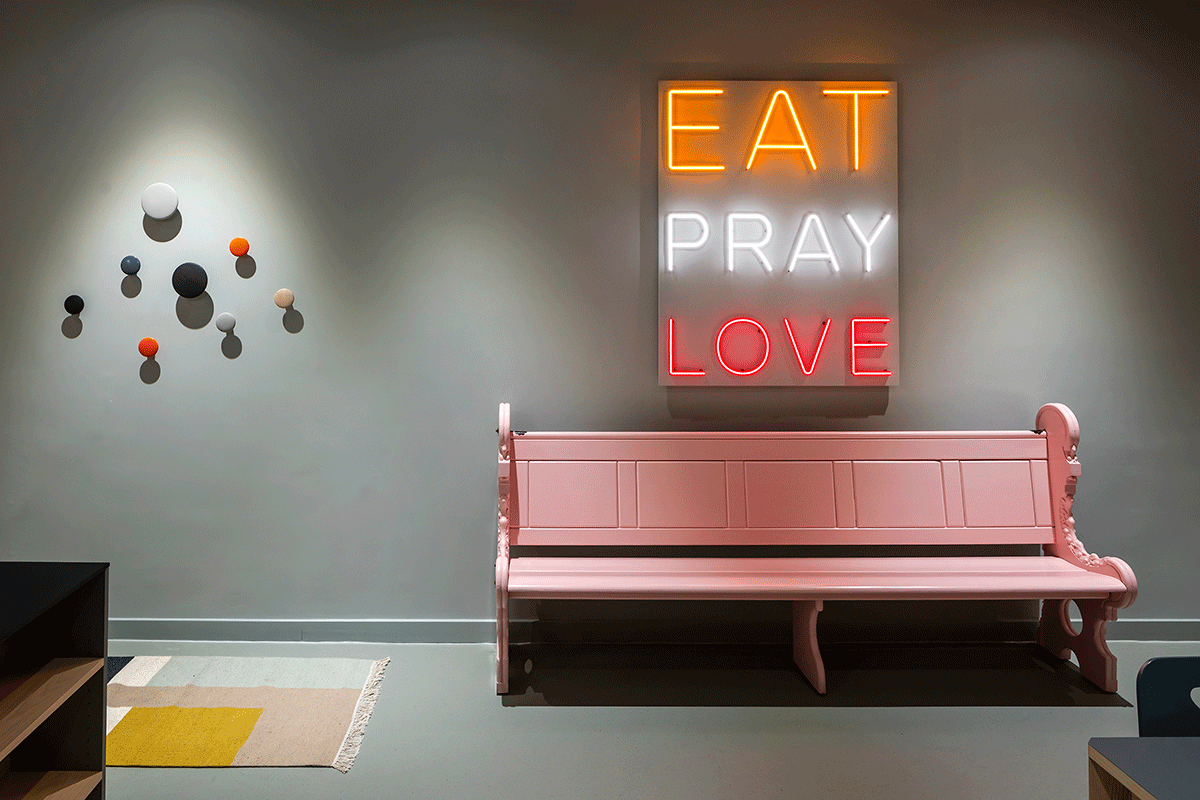
The open kitchen acts as an everyday extension of the communal areas. A pastel-toned kitchen island provides an informal meeting point, complemented by a pink church pew that reinterprets traditional seating in a playful and accessible manner. Neon lettering spelling “Eat, Pray, Love” introduces a contemporary layer of communication, blending irony with familiar religious references.
Throughout the project, lighting plays a crucial architectural role: suspended luminaires, track-mounted spotlights, and integrated light elements emphasize clarity, rhythm, and spatial hierarchy. Despite its sleek, modern, and minimalist design language, the interior remains warm and welcoming. Through the careful use of wood, colour, light, and reinterpreted religious symbolism, the space negotiates between contemplation and community, tradition and contemporary use.
A heartfelt thank you to the priestesses Jasmin El-Manhy and Marlén Reinke for a wonderful collaboration.
Pictures by Koy+Winkel